OUR WORK
Climate Change and Resilience
HWC-Kenya is committed to promoting sustainable and climate-resilient communities through integrated approaches that address the impacts of climate change, environmental degradation, and recurrent disasters. We support vulnerable populations to adapt to changing climatic conditions while safeguarding natural resources for future generations.
Our interventions promote agroecology and climate-smart agriculture, including sustainable farming practices, biodiversity conservation, water resource management, and environmentally responsible livelihoods that enhance food security and economic resilience. We also champion environmental restoration through tree planting, ecosystem conservation, waste management, and community-led initiatives that protect and restore the environment.
In addition, HWC-Kenya strengthens disaster risk reduction and drought resilience by supporting community preparedness, early warning systems, livelihood diversification, and locally led adaptation strategies. Through these efforts, we seek to build resilient communities that can withstand climate shocks, reduce vulnerabilities, and contribute to a more sustainable and equitable future for all.
Sustainable Farming Practices
HWC-Kenya encourages farmers to adopt environmentally friendly and resource-efficient agricultural techniques. These practices aim to maintain soil fertility, conserve water, reduce pesticide use, and minimize environmental degradation. Examples of sustainable practices promoted include:
- Crop Rotation & Intercropping: This helps in enhancing soil health and reducing the risks of pests and diseases, which can often decimate entire harvests when monoculture farming is practiced.
- Organic Farming: Encouraging the use of organic fertilizers and natural pest control methods to reduce the dependency on chemical inputs and to produce healthier crops.
- Conservation Tillage: This method involves minimal soil disturbance to maintain the structure of the soil, improve water retention, and reduce erosion.
- Agroforestry: Integrating trees into farming systems to provide shade, improve soil quality, and reduce wind and water erosion.
- Affordable, accessible finance: Farmers need to access affordable finance to boost their farming.
Climate Resilience Products
The impacts of climate change, such as irregular rainfall, droughts, and floods, are severely affecting agriculture in Kenya. HWC-Kenya works to provide farmers with access to climate-resilient products and techniques that allow them to adapt to these changing conditions:
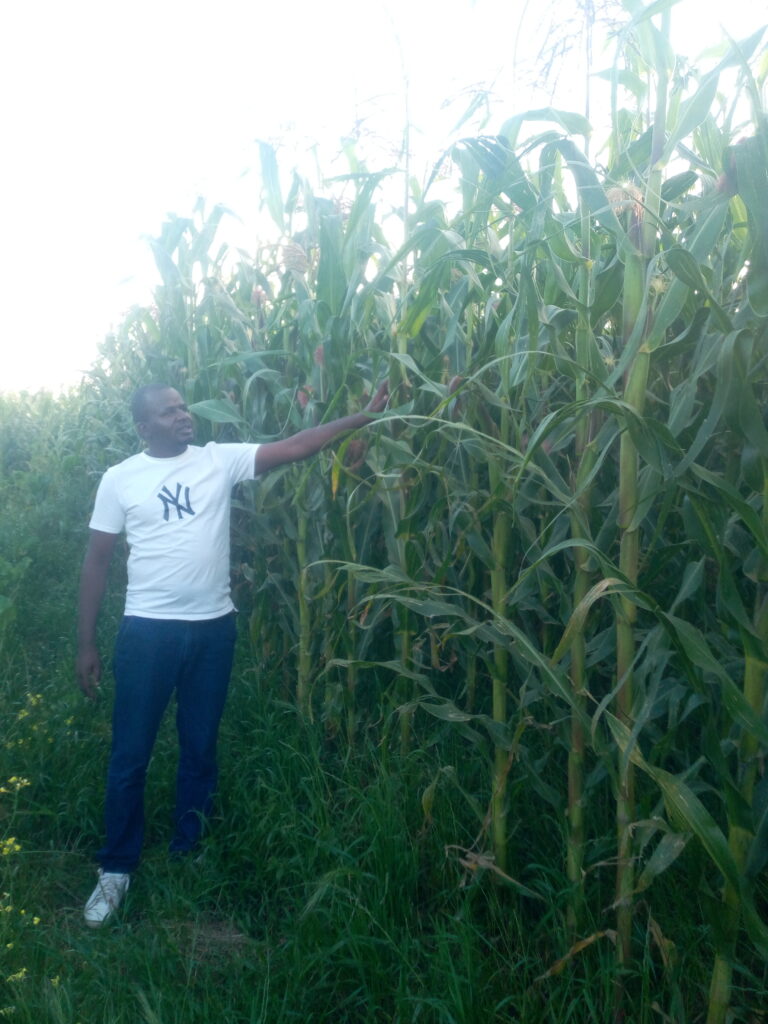
- Drought-Resistant Crops: They promote the cultivation of drought-resistant varieties of crops like maize, beans, and sorghum, which are more resilient to water scarcity.
- Water Harvesting Technologies: Farmers are encouraged to invest in rainwater harvesting systems and water-efficient irrigation technologies, such as drip irrigation, to manage water resources better.
- Improved Seed Varieties: Introducing seeds that are more resistant to diseases, pests, and changing weather patterns ensures higher yields even in challenging conditions.
- Soil Health Management Products: HWC-Kenya also promotes products like soil conditioners and bio-fertilizers that improve soil health, making it more resilient to environmental stress.